IJS Colloquia are prestigious scientific events
at the Jožef Stefan Institute, at which top lecturers
present their research achievements.
Colloquia have a long tradition and an international reputation.

IJS Colloquia are prestigious scientific events at the Jožef Stefan Institute, at which top lecturers present their research achievements.
Colloquia have a long tradition and an international reputation.

Announcing

14. 10. 2026, 01:00

Quantum Computing with neutral atoms at planqc

14. 10. 2026, 01:00

Quantum Computing with neutral atoms at planqc

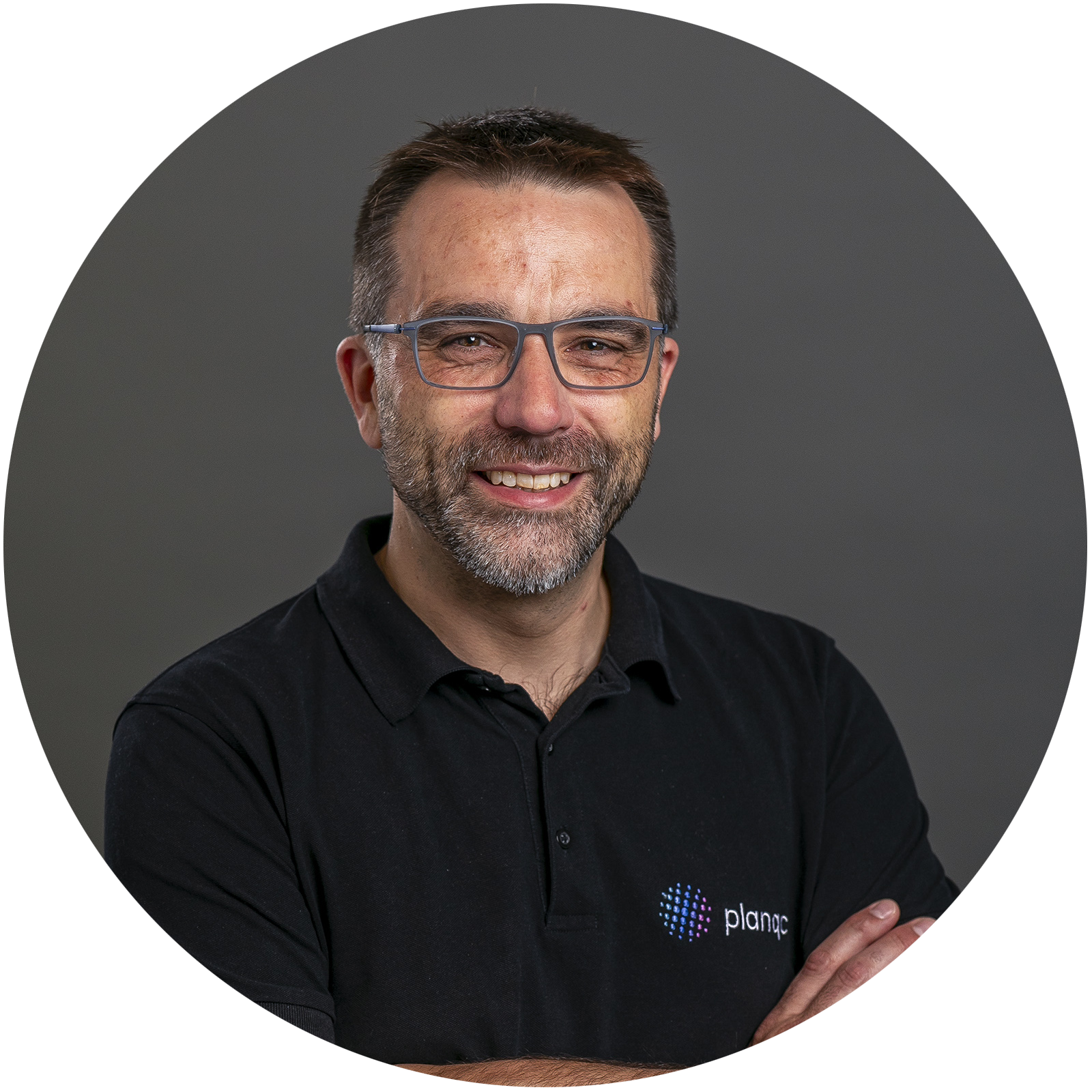
Dr. Sebastian Blatt
planqc, Garching, Germany
Sebastian Blatt is the co-founder and Chief Technology Officer of planqc. Prior to that, he led research groups at Ludwig Maximilian University of Munich and the Max Planck Institute of Quantum Optics. He is currently focused on the development of scalable quantum computers within planqc and the Munich Quantum Valley initiative.

Analog quantum simulators based on ultracold atoms trapped in optical lattices can be used to study condensed-matter systems with single-site resolution. The quest for more control over individual atoms in such systems has culminated in a new generation of experiments based on atom arrays assembled using optical tweezers. These atom arrays can be created rapidly in arbitrary two- and three-dimensional geometries, and atoms in these arrays can be entangled using long-range Rydberg interactions. Based on these developments, atom arrays have emerged as one of the most promising platforms for building digital quantum computers because (1) atoms can realize qubits with coherence times of many seconds, (2) they exhibit no manufacturing variations, and (3) it is straightforward to scale up to arrays with thousands of qubits. I will present the digital quantum computer demonstrators developed in the academic projects within Munich Quantum Valley, as well as the commercial quantum computers developed at planqc.

Dr. Sebastian Blatt
planqc, Garching, Germany
Sebastian Blatt is the co-founder and Chief Technology Officer of planqc. Prior to that, he led research groups at Ludwig Maximilian University of Munich and the Max Planck Institute of Quantum Optics. He is currently focused on the development of scalable quantum computers within planqc and the Munich Quantum Valley initiative.

Last lectures

2026

Towards a quantum internet

Prof. Dr. Stephanie Wehner
Delft University of Technology, QuTech, Delft, The Netherlands

2025

Space skiing for health

Prof. Dr. Igor Mekjavić, European Space Agency (ESA) ground-base research facility in Planica and Jožef Stefan Institute, Ljubljana, Slovenia

2024

2023

Physics at the edge of chaos

Assoc. Prof. Dr. Lev Vidmar, Jožef Stefan Institute and Faculty of Mathematics and Physics, University of Ljubljana, Slovenia

Machine learning from relational and textual data

Prof. Dr. Nada Lavrač, Jožef Stefan Institute, Ljubljana, Slovenia and Prof. Dr. Marko Robnik-Šikonja, Faculty of Computer Science and Informatics, University of Ljubljana, Slovenia

2022

Superdifusion in a Heisenberg magnetic chain
7. 12. 2022
Dr. Enej Ilievski, Faculty of Mathematics and Physics, University of Ljubljana

Quantum black holes: an encounter between Hawking and Ramanujan
1. 12. 2022
Prof. Dr. Atish Dabholkar, International Centre for Theoretical Physics (ICTP), Trieste, Italy

In the depths of the atom
23. 11.2022
Prof. Dr. Alojz Kodre, Faculty of Mathematics and Physics, University of Ljubljana

Domain-wall dynamics in ferroelectric and relaxor-based ceramics
16. 11. 2022
Prof. Dr. Tadej Rojac, Jožef Stefan Institute

Usual and unusual states made of quarks
10. 11. 2022
Prof. Dr. Saša Prelovšek Komelj, Jožef Stefan Institute and Faculty of Mathematics and Physics, University of Ljubljana

Processing matters: materials challenges for the second quarter of the 21st century
26. 10. 2022
Prof. Dr. Geoff Brennecka, Colorado School of Mines, USA

Geo-inspired ceramic carriers: from design to medical applications
21. 9. 2022
Dr. Bogdan Parakhonskiy, Ghent University, Belgium

Innovations in radiation medicine
7. 9. 2022
Prof. Dr. Thomas Rockwell Mackie, University of Wisconsin, USA

Additive Manufacturing and Liquid Crystal Technologies
15. 6. 2022
Prof. Dr. Stephen M. Morris, University of Oxford, United Kingdom

Modelling chemical pollution to support a safe and sustainable chemicals management
5. 5. 2022
Prof. Dr. Peter Fantke, Technical University of Denmark, Denmark

Humanoid Robotics – Understanding Human Performance and Intelligence
24. 3. 2022
Prof. Dr. Tamim Asfour, Karlsruhe Institute of Technology (KIT), Germany

Challenges of the internet of the future: security, connectivity and humanity aspects
23. 3. 2022
Prof. Dr. Borka Jerman Blažić, Jožef Stefan Institute

What does a black and white picture of atoms tell us?
22. 3. 2022
Prof. Dr. Goran Dražić, National Institute of Chemistry and Jožef Stefan Institute

Haze Instruments d.o.o., Measurement of aerosol absorption with a photothermal interferometer
21. 3. 2022
Prof. Dr. Luka Drinovec, University of Nova Gorica and Jožef Stefan Institute

Haze Instruments d.o.o., Light absorption in aerosols affects climate – how do we measure it?
21. 3. 2022
Prof. Dr. Griša Močnik, University of Nova Gorica and Jožef Stefan Institute

FAIR – the universe in the lab
16. 3. 2022
Prof. Dr. Paolo Giubellino in Joerg Blaurock, GSI and FAIR, Darmstadt, Germany

From quantum impurities to quantum devices
12. 1. 2022
Assoc. Prof. Dr. Rok Žitko, Jožef Stefan Institute and Faculty of Mathematics and Physics, University of Ljubljana
2021

Cavitation – the path from its prevention to its use for destroying viruses and bacteria
15. 12. 2021
Prof. Dr. Matevž Dular, Faculty of Mechanical Engineering, University of Ljubljana

Multiscale simulations of open molecular systems
24. 11. 2021
Prof. Dr. Matej Praprotnik, National Institute of Chemistry and Faculty of Mathematics and Physics, University of Ljubljana

Why the Nobel Prize for the discovery of the Piezo1 and Piezo2 proteins was awarded
27. 10. 2021
Prof. Dr. Saša Svetina, Institute of biophysics, Faculty of Medicine, University of Ljubljana and Jožef Stefan Institute

Modeling of the COVID-19 epidemic in Slovenia
12. 05. 2021
Dr. Matjaž Leskovar, Jožef Stefan Institute

New research opportunities with free electron lasers
21. 04. 2021
Prof. Dr. Claudio Masciovecchio, Elettra Sincrotrone Trieste, Italy

X-ray diffraction screening of major protease crystals reveals SARS-CoV-2 inhibitors
16. 04. 2021
Prof. Dr. Dušan Turk, Jožef Stefan Institute

Optimization of measures to contain the COVID-19 epidemic
14. 04. 2021
Prof. Dr. Mitja Luštrek, Jožef Stefan Institute

Fullerenes: superconductivity, magnetism and qubits
26. 03. 2021
Prof. Dr. Denis Arčon, Jožef Stefan Institute and Faculty of Mathematics and Physics, University of Ljubljana

Measurements of cosmic particles of extreme energies at the Pierre Auger Observatory
25. 03. 2021
Prof. Dr. Andrej Filipčič and Prof. Dr. Marko Zavrtanik, Jožef Stefan Institute and University of Nova Gorica

Challenges of the development of electronics as a companion of modern research and applications
25. 03. 2021
Dr. Janko Petrovčič, Jožef Stefan Institute

Quantum computing with atoms trapped by light
23. 03. 2021
Prof. Dr. David S. Weiss, Pennsylvania State University, University Park, USA

Ferroelectric ceramics: an overview of the century of research from discovery of the ferroelectric effect to the present day
23. 03. 2021
Prof. Dr. Barbara Malič, Jožef Stefan Institute and Jožef Stefan International Postgraduate School

Stable isotopes in interdisciplinary research
22. 03. 2021
Prof. Dr. Nives Ogrinc, Jožef Stefan Institute and Jožef Stefan International Postgraduate School

Archive


2026

Towards a quantum internet

Prof. Dr. Stephanie Wehner
Delft University of Technology, QuTech, Delft, The Netherlands

2025

Space skiing for health

Prof. Dr. Igor Mekjavić, European Space Agency (ESA) ground-base research facility in Planica and Jožef Stefan Institute, Ljubljana, Slovenia

2024

2023

Physics at the edge of chaos

Assoc. Prof. Dr. Lev Vidmar, Jožef Stefan Institute and Faculty of Mathematics and Physics, University of Ljubljana, Slovenia

Machine learning from relational and textual data

Prof. Dr. Nada Lavrač, Jožef Stefan Institute, Ljubljana, Slovenia and Prof. Dr. Marko Robnik-Šikonja, Faculty of Computer Science and Informatics, University of Ljubljana, Slovenia

2022

Superdifusion in a Heisenberg magnetic chain
7. 12. 2022
Dr. Enej Ilievski, Faculty of Mathematics and Physics, University of Ljubljana

Quantum black holes: an encounter between Hawking and Ramanujan
1. 12. 2022
Prof. Dr. Atish Dabholkar, International Centre for Theoretical Physics (ICTP), Trieste, Italy

In the depths of the atom
23. 11.2022
Prof. Dr. Alojz Kodre, Faculty of Mathematics and Physics, University of Ljubljana

Domain-wall dynamics in ferroelectric and relaxor-based ceramics
16. 11. 2022
Prof. Dr. Tadej Rojac, Jožef Stefan Institute

Usual and unusual states made of quarks
10. 11. 2022
Prof. Dr. Saša Prelovšek Komelj, Jožef Stefan Institute and Faculty of Mathematics and Physics, University of Ljubljana

Processing matters: materials challenges for the second quarter of the 21st century
26. 10. 2022
Prof. Dr. Geoff Brennecka, Colorado School of Mines, USA

Geo-inspired ceramic carriers: from design to medical applications
21. 9. 2022
Dr. Bogdan Parakhonskiy, Ghent University, Belgium

Innovations in radiation medicine
7. 9. 2022
Prof. Dr. Thomas Rockwell Mackie, University of Wisconsin, USA

Additive Manufacturing and Liquid Crystal Technologies
15. 6. 2022
Prof. Dr. Stephen M. Morris, University of Oxford, United Kingdom

Modelling chemical pollution to support a safe and sustainable chemicals management
5. 5. 2022
Prof. Dr. Peter Fantke, Technical University of Denmark, Denmark

Humanoid Robotics – Understanding Human Performance and Intelligence
24. 3. 2022
Prof. Dr. Tamim Asfour, Karlsruhe Institute of Technology (KIT), Germany

Challenges of the internet of the future: security, connectivity and humanity aspects
23. 3. 2022
Prof. Dr. Borka Jerman Blažić, Jožef Stefan Institute

What does a black and white picture of atoms tell us?
22. 3. 2022
Prof. Dr. Goran Dražić, National Institute of Chemistry and Jožef Stefan Institute

Haze Instruments d.o.o., Measurement of aerosol absorption with a photothermal interferometer
21. 3. 2022
Prof. Dr. Luka Drinovec, University of Nova Gorica and Jožef Stefan Institute

Haze Instruments d.o.o., Light absorption in aerosols affects climate – how do we measure it?
21. 3. 2022
Prof. Dr. Griša Močnik, University of Nova Gorica and Jožef Stefan Institute

FAIR – the universe in the lab
16. 3. 2022
Prof. Dr. Paolo Giubellino in Joerg Blaurock, GSI and FAIR, Darmstadt, Germany

From quantum impurities to quantum devices
12. 1. 2022
Assoc. Prof. Dr. Rok Žitko, Jožef Stefan Institute and Faculty of Mathematics and Physics, University of Ljubljana
2021

Cavitation – the path from its prevention to its use for destroying viruses and bacteria
15. 12. 2021
Prof. Dr. Matevž Dular, Faculty of Mechanical Engineering, University of Ljubljana

Multiscale simulations of open molecular systems
24. 11. 2021
Prof. Dr. Matej Praprotnik, National Institute of Chemistry and Faculty of Mathematics and Physics, University of Ljubljana
Why the Nobel Prize for the discovery of the Piezo1 and Piezo2 proteins was awarded
27. 10. 2021
Prof. Dr. Saša Svetina, Institute of biophysics, Faculty of Medicine, University of Ljubljana and Jožef Stefan Institute

Modeling of the COVID-19 epidemic in Slovenia
12. 05. 2021
Dr. Matjaž Leskovar, Jožef Stefan Institute

New research opportunities with free electron lasers
21. 04. 2021
Prof. Dr. Claudio Masciovecchio, Elettra Sincrotrone Trieste, Italy

X-ray diffraction screening of major protease crystals reveals SARS-CoV-2 inhibitors
16. 04. 2021
Prof. Dr. Dušan Turk, Jožef Stefan Institute

Optimization of measures to contain the COVID-19 epidemic
14. 04. 2021
Prof. Dr. Mitja Luštrek, Jožef Stefan Institute

Fullerenes: superconductivity, magnetism and qubits
26. 03. 2021
Prof. Dr. Denis Arčon, Jožef Stefan Institute and Faculty of Mathematics and Physics, University of Ljubljana

Measurements of cosmic particles of extreme energies at the Pierre Auger Observatory
25. 03. 2021
Prof. Dr. Andrej Filipčič and Prof. Dr. Marko Zavrtanik, Jožef Stefan Institute and University of Nova Gorica

Challenges of the development of electronics as a companion of modern research and applications
25. 03. 2021
Dr. Janko Petrovčič, Jožef Stefan Institute

Quantum computing with atoms trapped by light
23. 03. 2021
Prof. Dr. David S. Weiss, Pennsylvania State University, University Park, USA

Ferroelectric ceramics: an overview of the century of research from discovery of the ferroelectric effect to the present day
23. 03. 2021
Prof. Dr. Barbara Malič, Jožef Stefan Institute and Jožef Stefan International Postgraduate School

Stable isotopes in interdisciplinary research
22. 03. 2021
Prof. Dr. Nives Ogrinc, Jožef Stefan Institute and Jožef Stefan International Postgraduate School